 Fossil Deck
Plated & Spiked Dinosaurs
Blades and spikes. The stegosaurs — bristling backs of bony plates and tail spikes.
Twelve cards in the The Defenders expedition. In the app the deck is a one-time purchase, and its first card is a free find.
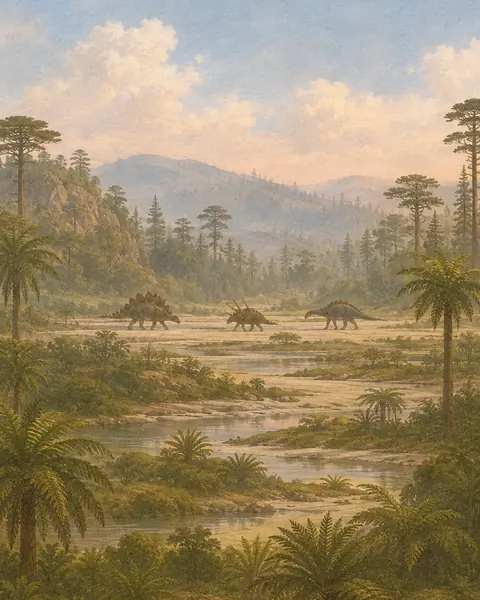
The 12 cards
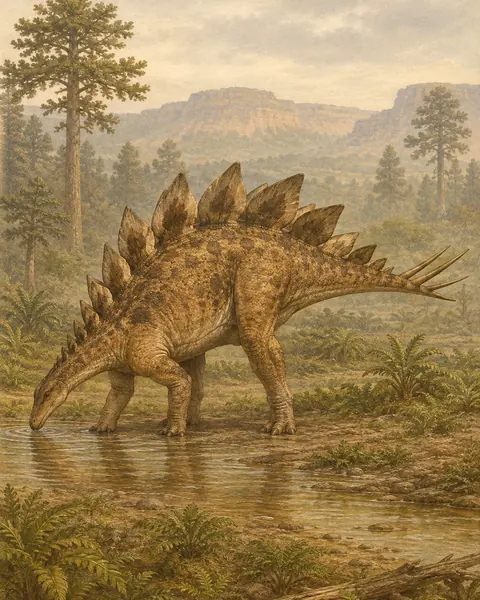
Stegosaurus is the classic plated dinosaur and the namesake of this deck, with two staggered rows of broad, thin back plates and four spikes on its tail.
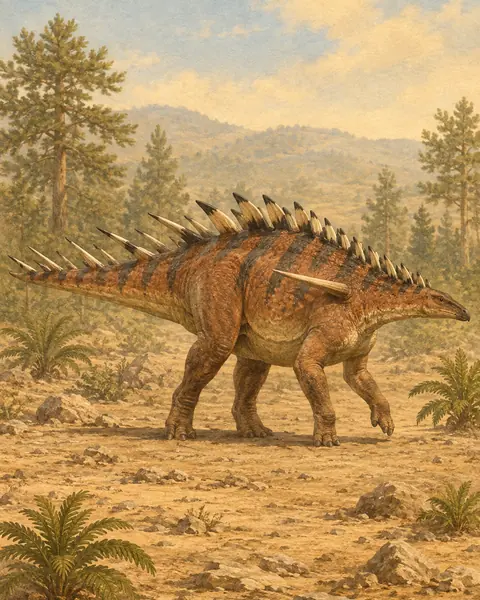
Kentrosaurus, the 'prickle lizard,' wore only a narrow row of small plates on its neck and shoulders.
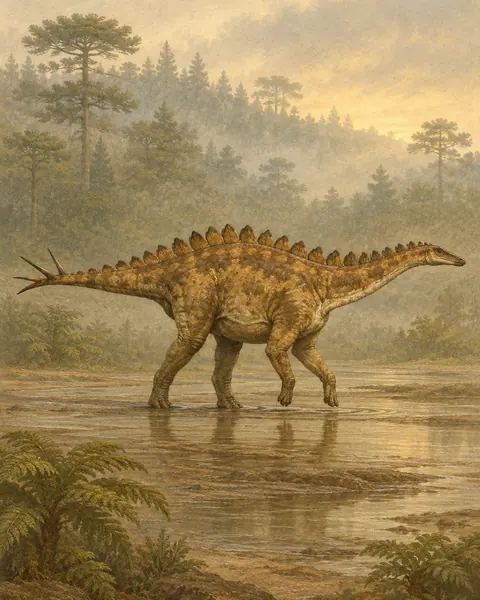
Miragaia holds the record for the longest neck of any known stegosaur, built from at least seventeen vertebrae where its relatives had nine to thirteen.
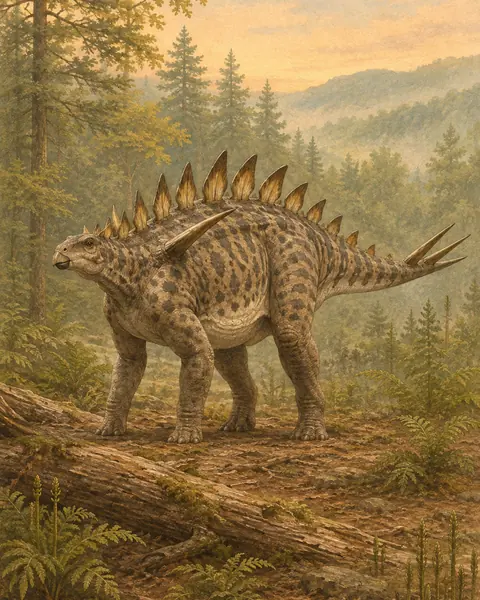
Huayangosaurus is one of the oldest and smallest known stegosaurs, living some 20 million years before Stegosaurus.
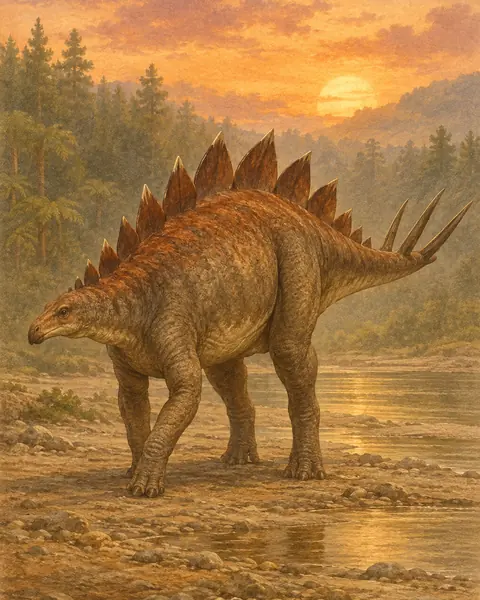
Tuojiangosaurus is the best-understood stegosaur from China, a long, low animal with some seventeen pairs of plates and spikes.
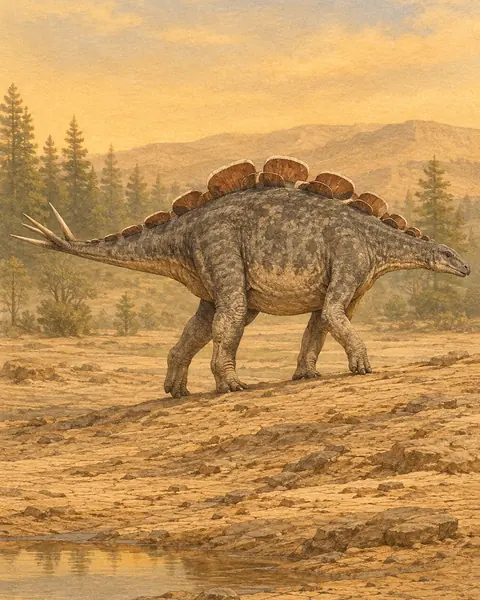
Wuerhosaurus is one of the youngest stegosaurs known, surviving into the Early Cretaceous when most of its kind had already died out.
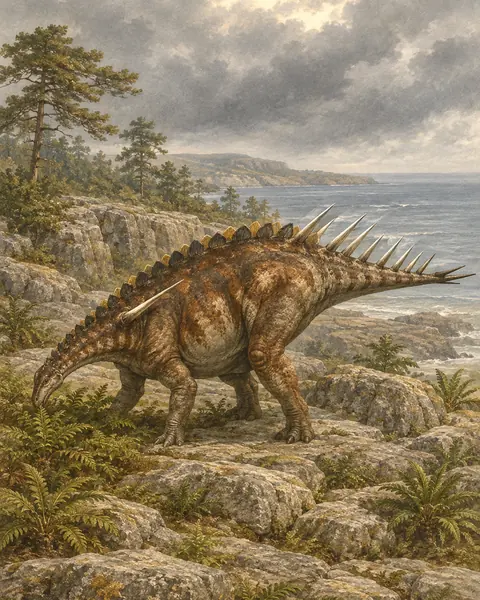
Dacentrurus, 'tail full of points,' is one of the largest stegosaurs, up to about 9 metres long.
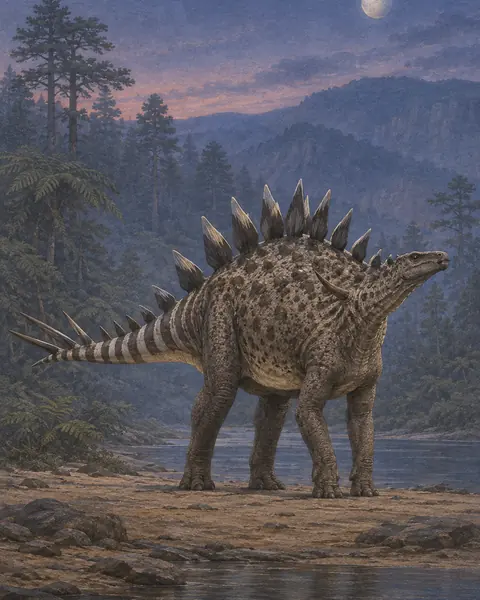
Chungkingosaurus was one of the smallest known stegosaurs, its type skeleton under 4 metres long, and is named after the Chinese city of Chongqing (once spelled Chungking).
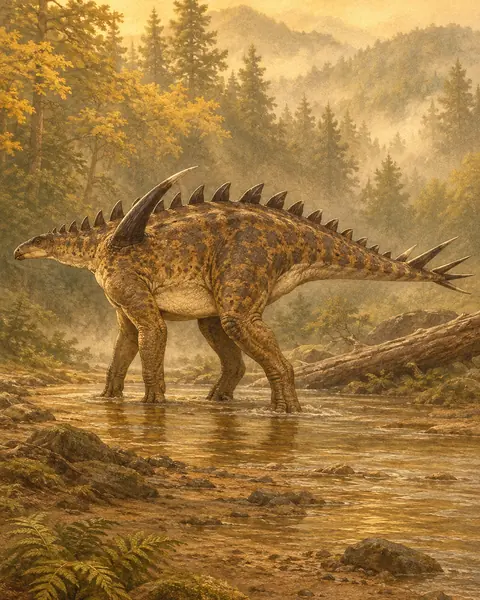
Gigantspinosaurus, 'giant-spined lizard,' is the stegosaur with huge shoulder spines, each about twice as long as its shoulder blade.
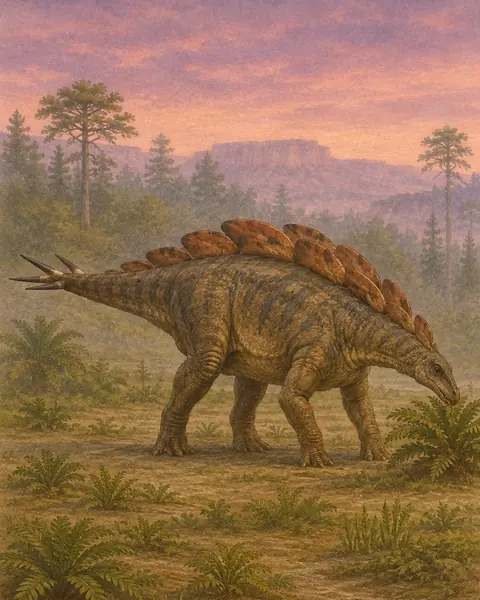
Hesperosaurus, the 'western lizard,' lived about 156 million years ago, a little earlier than the better-known Morrison stegosaurs.
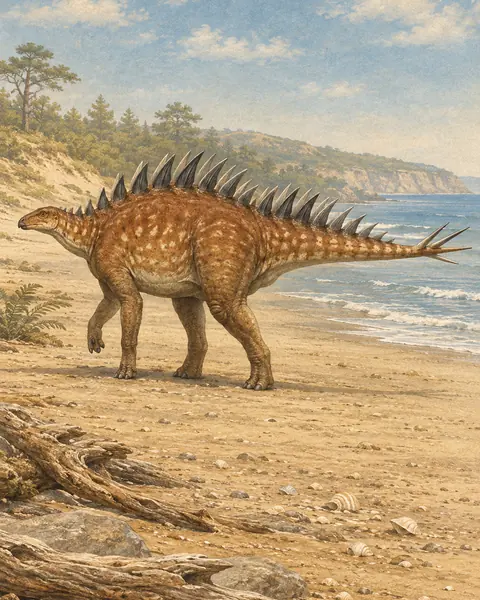
Loricatosaurus, the 'armoured lizard,' is a stegosaur known only from partial skeletons found in England and France.
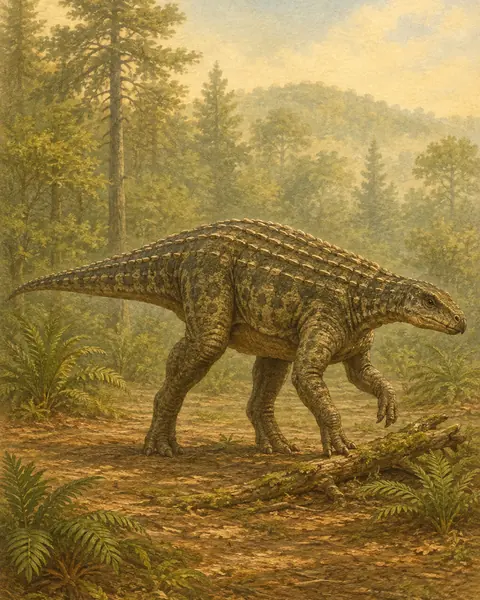
Scelidosaurus is the early armoured dinosaur that sits near the base of the stegosaur family tree, living about 190 million years ago on what is now England's Jurassic Coast.