 Fossil Deck
South American Dinosaurs
Fossils of a continent. The giants and hunters of ancient South America.
Twelve cards in the Around the World expedition. In the app the deck is a one-time purchase, and its first card is a free find.
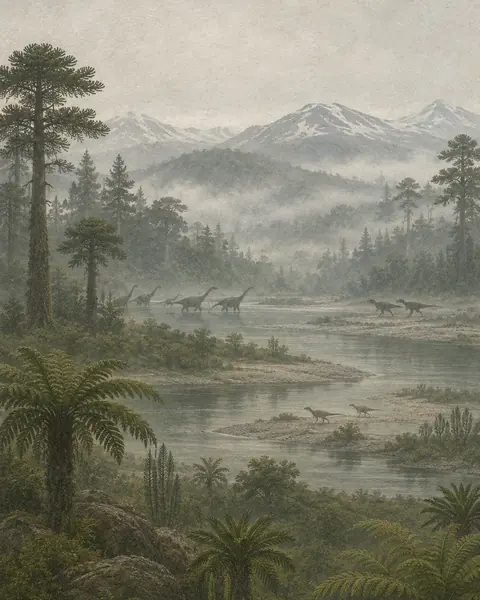
The 12 cards
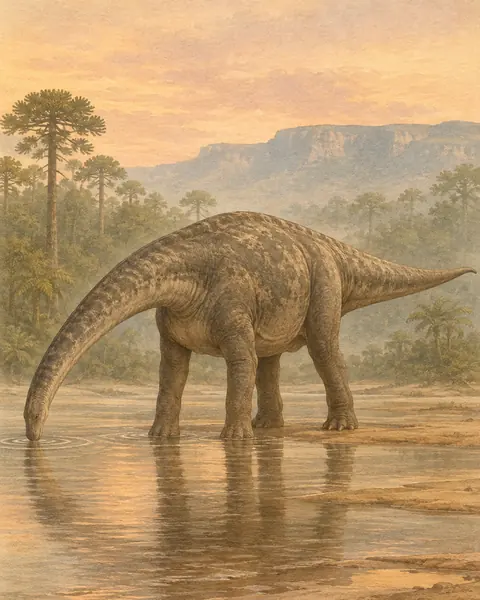
Argentinosaurus is known from a few enormous bones from the Huincul Formation of Neuquén, in Argentine Patagonia, where a single back vertebra stood about 1.6 meters tall when reconstructed.
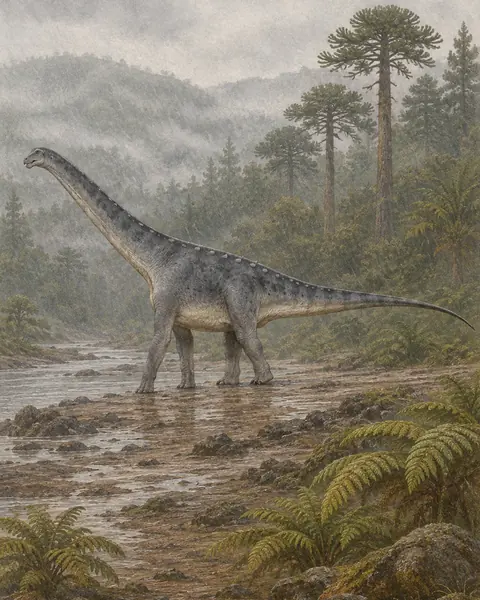
Patagotitan came from the Cerro Barcino Formation in Chubut, Patagonia, where a quarry at La Flecha gave up at least six partial skeletons, enough for full-size mounts.
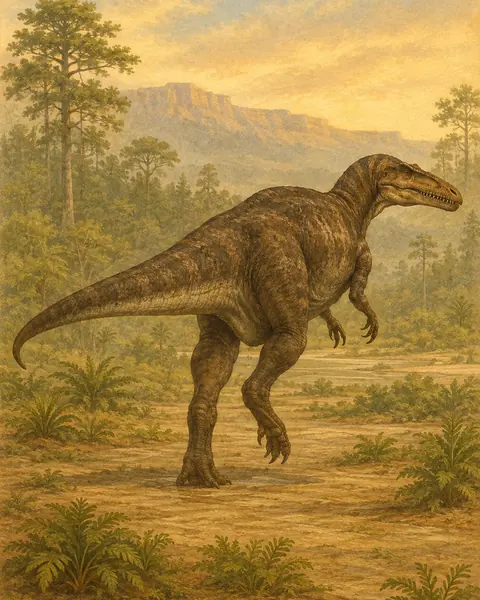
Giganotosaurus was found in the badlands near Villa El Chocón in Neuquén, Patagonia, in what is now the Candeleros Formation.
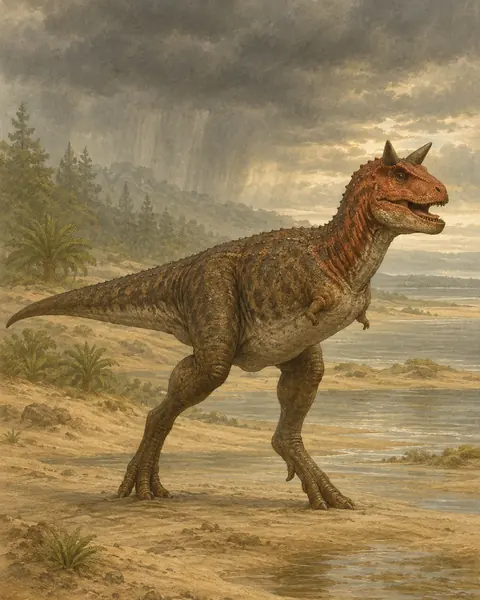
Carnotaurus is known from a single skeleton found in the La Colonia Formation of Chubut, Patagonia.
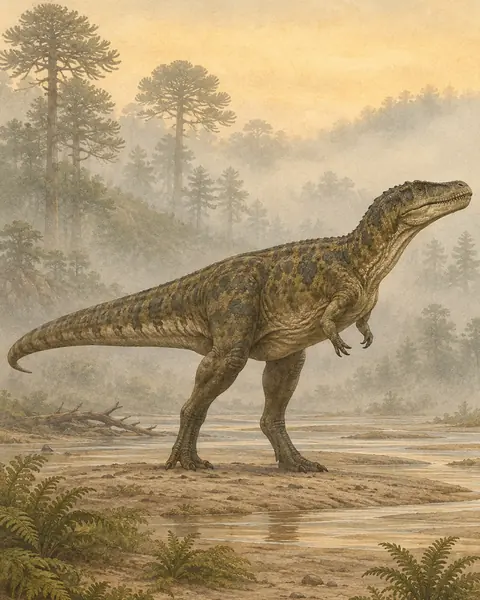
Mapusaurus comes from a bonebed in the Huincul Formation of Neuquén, Patagonia, holding at least seven individuals of different ages, one of the richest concentrations of a single giant meat-eater ever found.
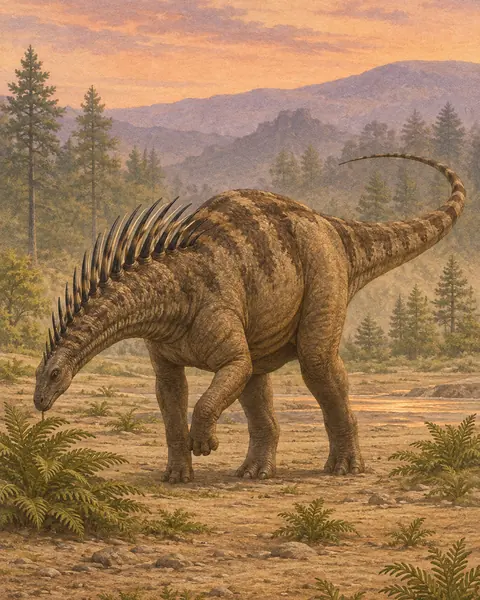
Amargasaurus takes its name from the La Amarga Formation of Neuquén, Patagonia, where its skeleton was found in 1984.
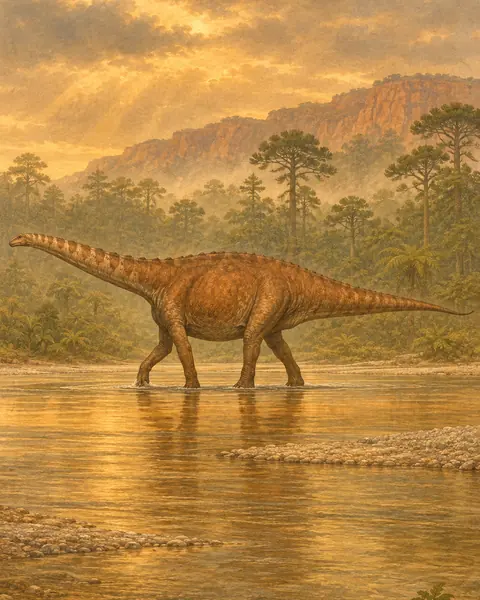
Futalognkosaurus was found in the Portezuelo Formation of Neuquén, Patagonia, and its name means 'giant chief lizard' in a blend of Mapuche words and Greek.
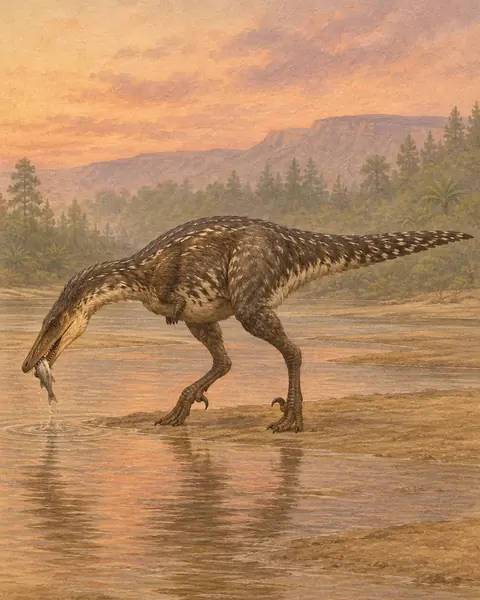
Austroraptor was found at Bajo de Santa Rosa, in the Allen Formation of Río Negro, Patagonia.
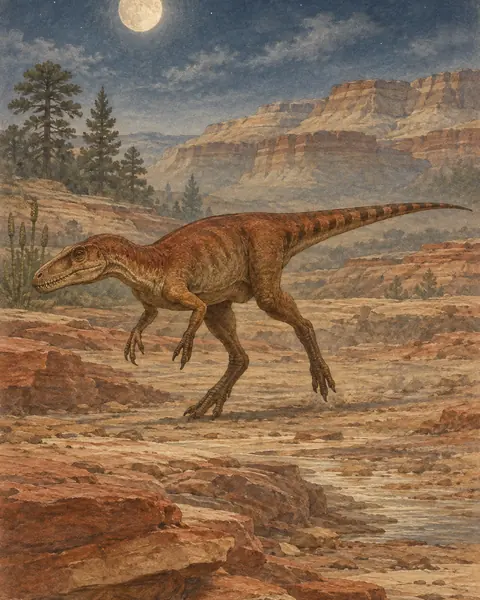
Herrerasaurus comes from the Ischigualasto Formation of San Juan, Argentina, a dry floodplain from near the very start of the dinosaur age.
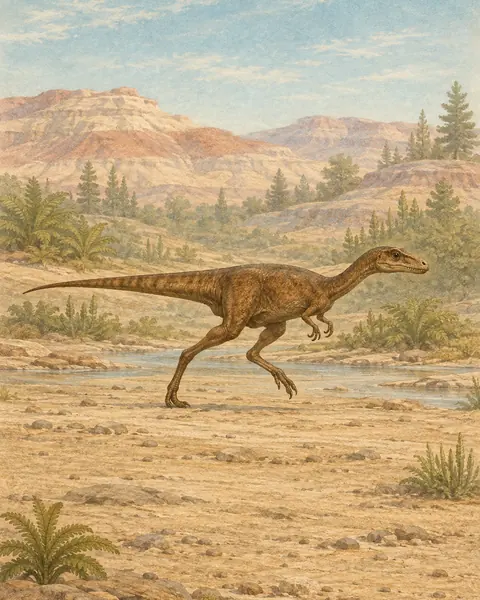
Eoraptor comes from the Ischigualasto Formation of San Juan, Argentina, known as the Valley of the Moon, where its nearly complete skeleton was found in 1991.
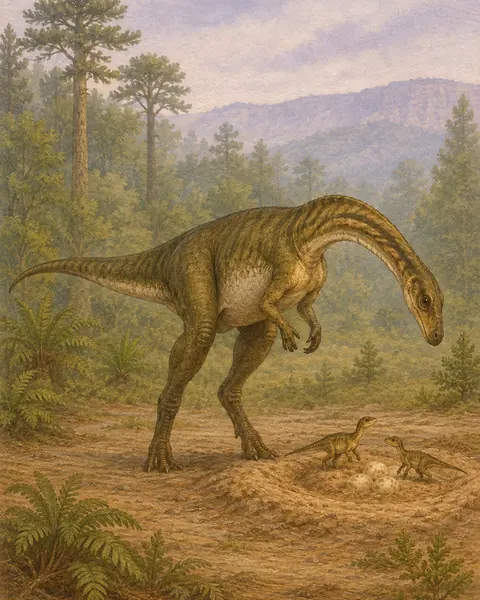
Mussaurus means 'mouse lizard', a name given for hatchlings only about 20 centimeters long, though the adults grew to as much as 8 meters.
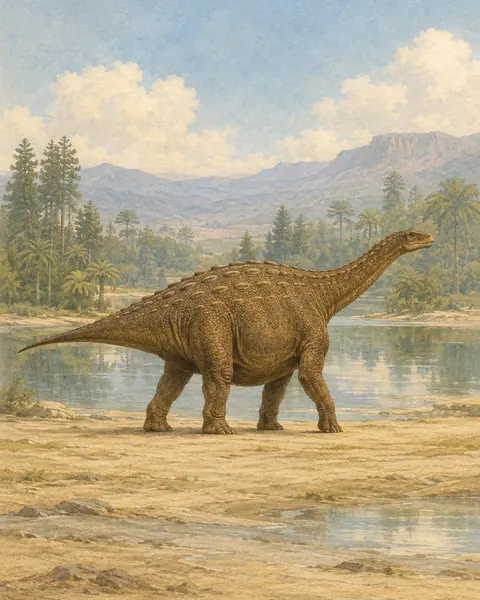
Saltasaurus was the first long-necked dinosaur found to carry bony armour: small plates and tiny beads of bone embedded in its skin.