 Fossil Deck
African Dinosaurs
Fossils of a continent. The dinosaurs of prehistoric Africa, from sail-backs to long-necks.
Twelve cards in the Around the World expedition. In the app the deck is a one-time purchase, and its first card is a free find.
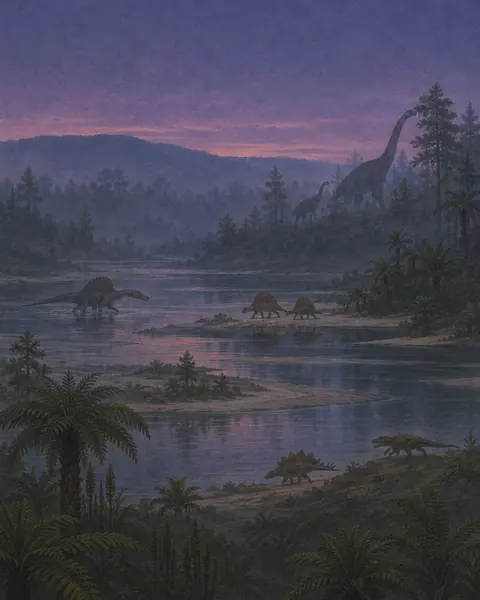
The 12 cards
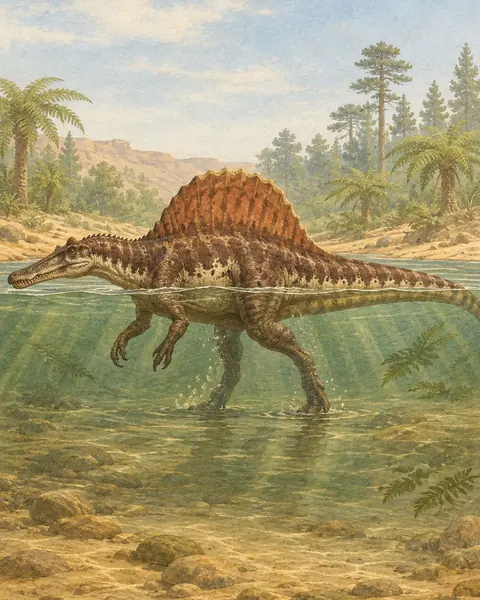
One of the strangest dinosaurs ever found, Spinosaurus carried a towering skin sail along its spine and a long, crocodile-like snout built for snatching fish.
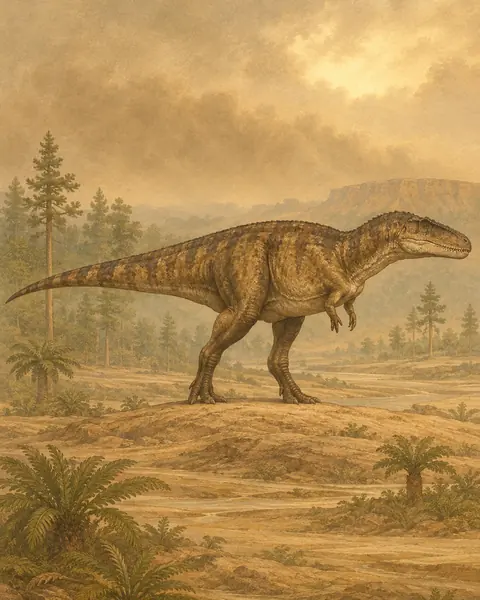
Carcharodontosaurus — its name means 'shark-toothed lizard' — had an enormous skull, an estimated 1.6 meters long when complete, lined with long, serrated, blade-like teeth and ranking among the largest skulls of any known meat-eating dinosaur.
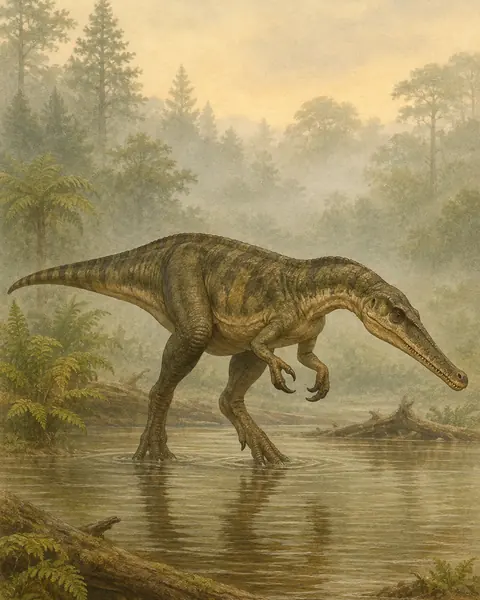
Suchomimus — its name means 'crocodile mimic' — had a long, narrow, crocodile-like snout lined with more than 100 small conical teeth, ideal for gripping slippery fish.
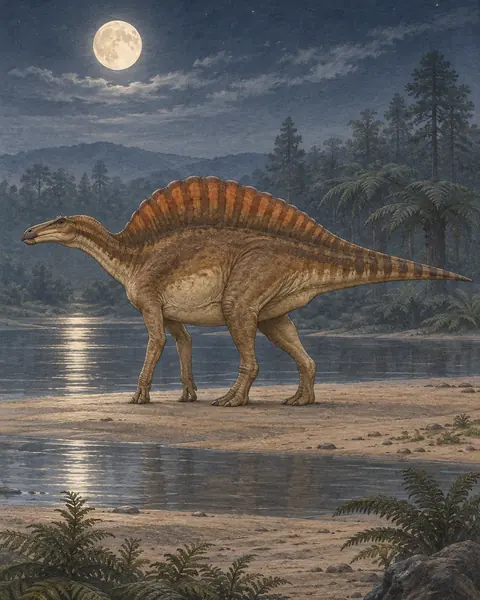
Ouranosaurus had a tall sail running from its shoulders to its tail, held up by long spines of its backbone, on top of a broad, duck-billed head.
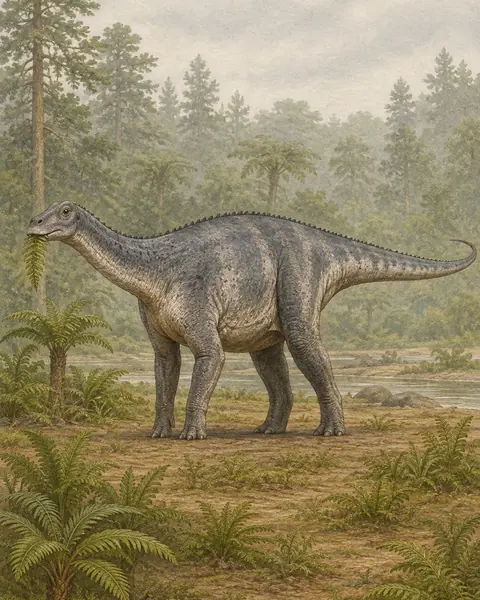
Nigersaurus had a mouth unlike any other dinosaur: a very wide, straight-edged muzzle lined across the front with more than 500 slim teeth, in rows, each replaced about every two weeks.
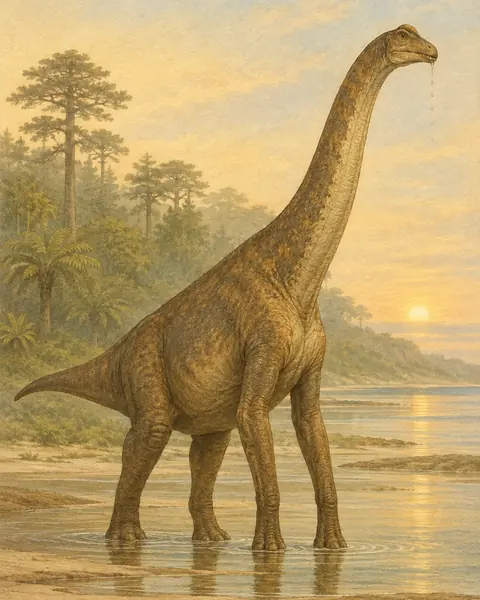
Giraffatitan could raise its small head an estimated 12 meters or more into the air, browsing treetops that almost no other animal of its world could reach.
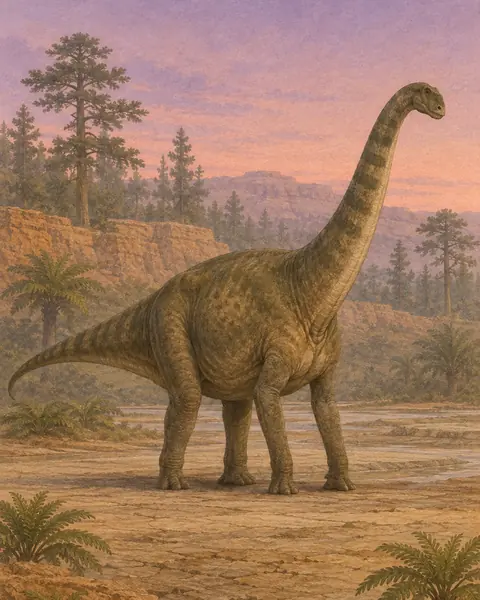
Jobaria was a stocky, primitive sauropod that grew to around 16–18 meters long yet kept a surprisingly short neck and short tail, giving it a compact, balanced build unlike its long, whip-tailed relatives.
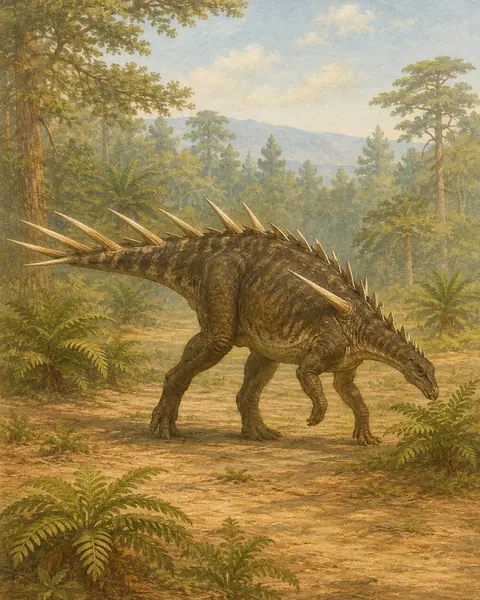
Kentrosaurus, the 'prickle lizard,' wore only a narrow row of small plates on its neck and shoulders.
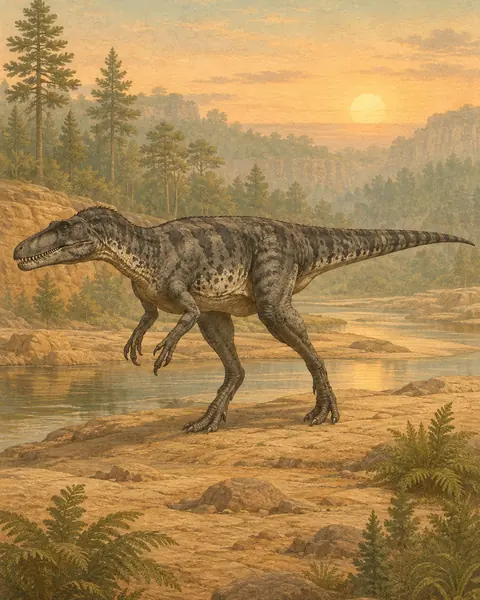
Afrovenator, the 'African hunter,' is the only well-established megalosaur known from the southern continents.
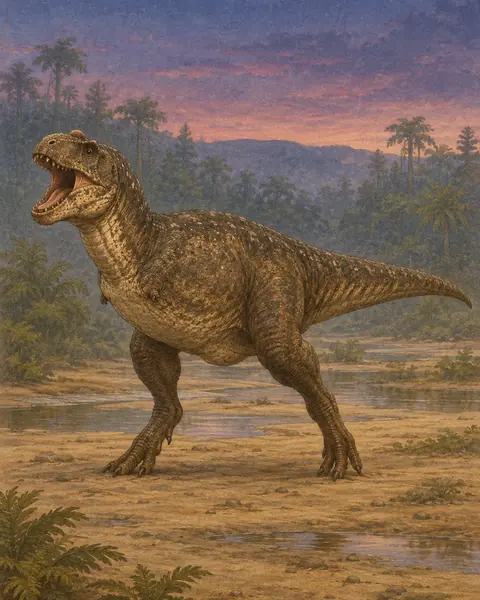
Majungasaurus is one of the very few dinosaurs known from direct fossil evidence to have sometimes eaten others of its own kind — its distinctive tooth marks turn up on the bones of other Majungasaurus.
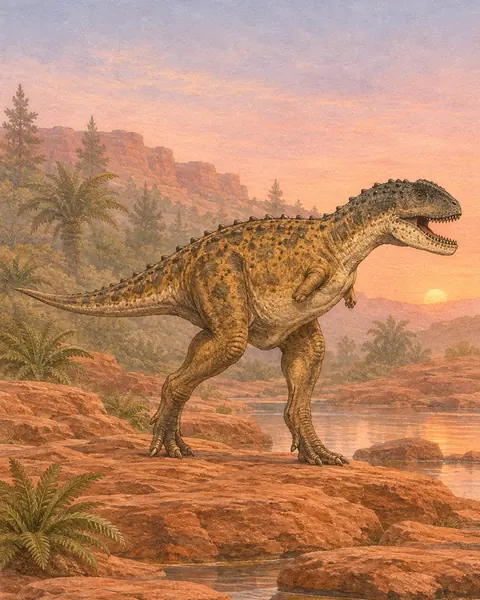
Rugops, the 'wrinkle face,' had a skull whose top was pitted with a row of small hollows and grooves, and a snout probably covered in a tough, armour-like skin.
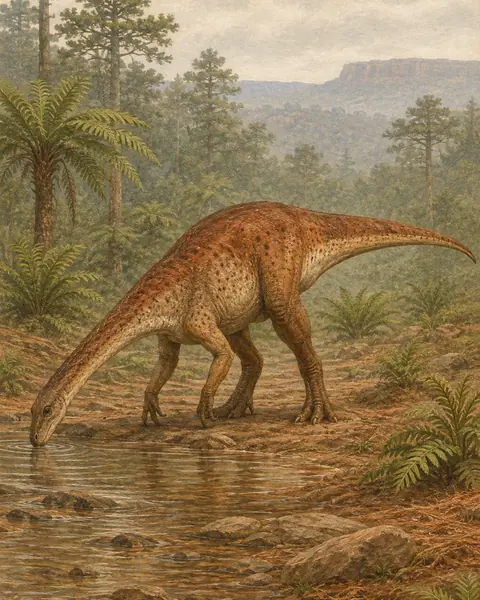
Aardonyx, the 'earth claw,' walked mostly on two legs but could drop onto all fours, a step on the road to the giant long-necked sauropods.