 Fossil Deck
Bone-Headed Dinosaurs
Thick-skulled. The pachycephalosaurs — domed skulls built for headlong contests.
Twelve cards in the The Defenders expedition. In the app the deck is a one-time purchase, and its first card is a free find.
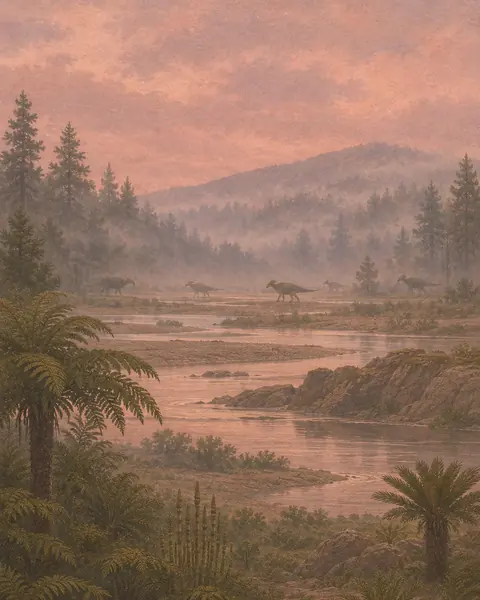
The 12 cards
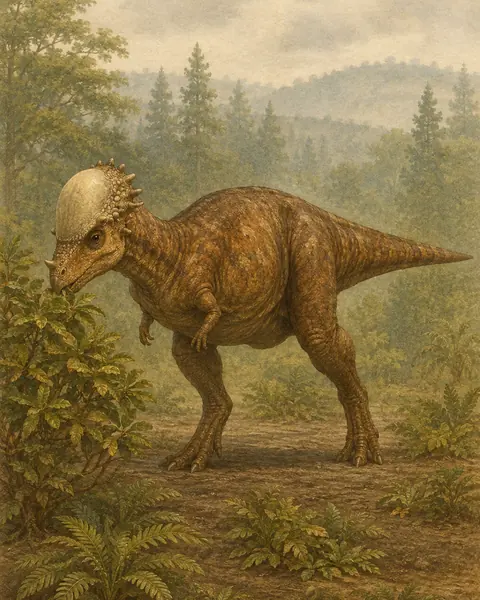
Pachycephalosaurus carried the largest dome of the bone-headed dinosaurs, solid bone up to about 22 centimetres thick, ringed by knobs and spikes.
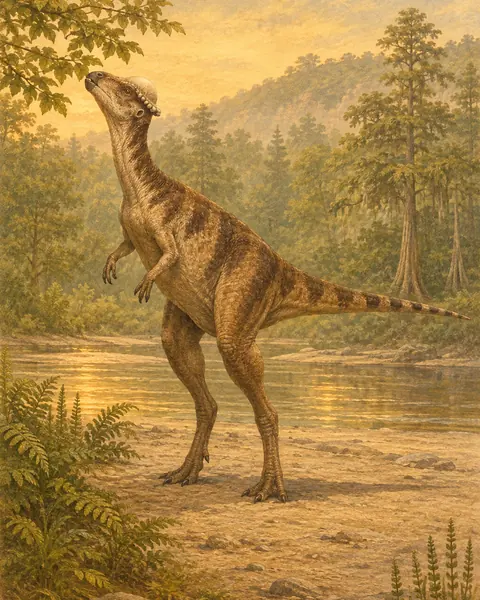
Stegoceras is one of the best-known dome-headed dinosaurs: a goat-sized plant-eater with a smooth, broad dome and a row of small bony horns along the back of its skull.
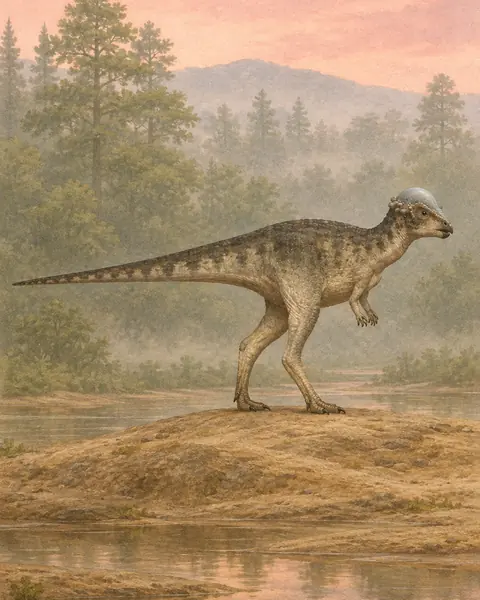
Prenocephale had a rounded, sloping dome ringed at the back by a row of small bony bumps and spikes.
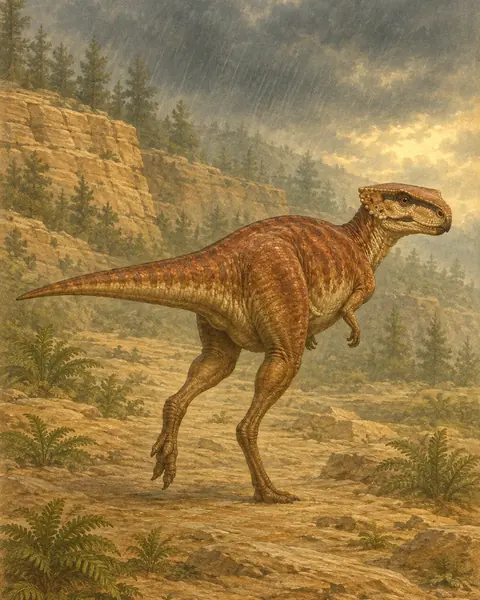
Homalocephale, 'even head,' had a flat, wedge-shaped skull roof instead of a dome, though the bone was still thickened.
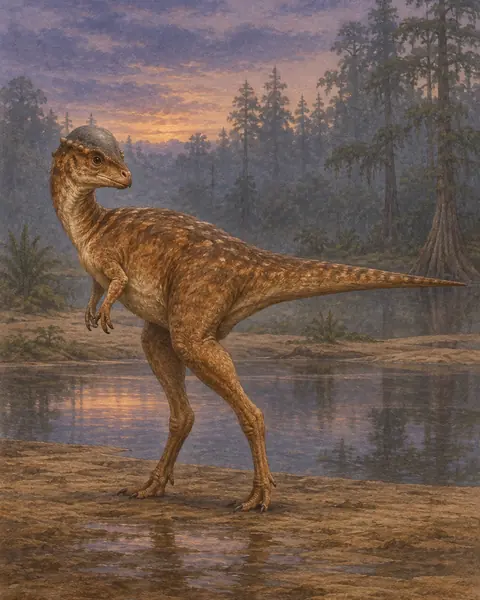
Sphaerotholus means 'ball dome,' and its skull roof was a rounded, ball-like dome edged by a single row of bony nodes.
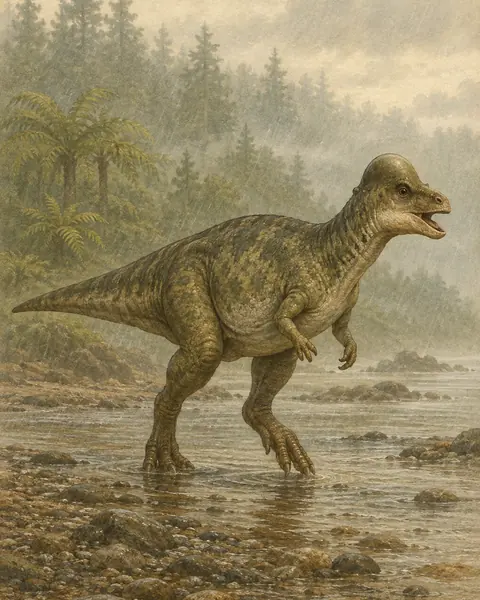
Colepiocephale means 'knuckle head,' named for a dome that curled over like a knuckle.
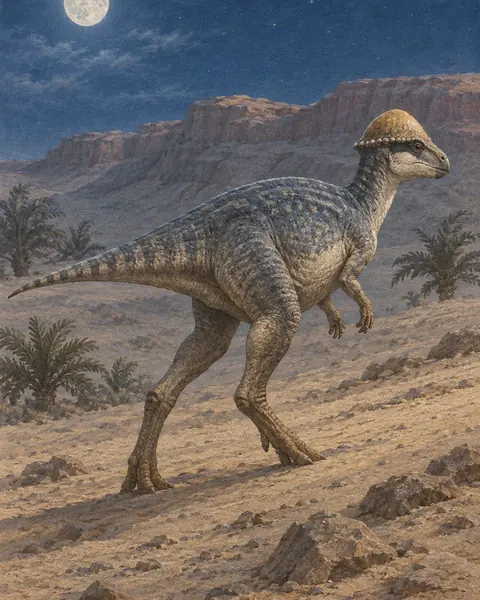
Tylocephale, 'swollen head,' carried the tallest dome known from any pachycephalosaur, with its peak far back over the neck and a spray of spikes and nodes behind it.
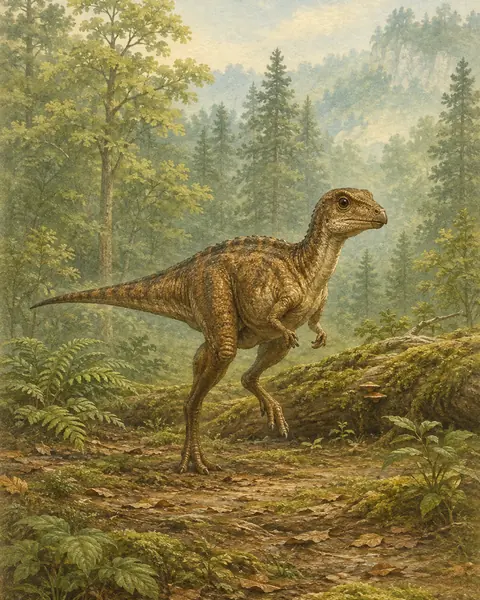
Wannanosaurus was among the smallest of the bone-headed dinosaurs, about 60 centimetres long, with a flat skull roof rather than a dome.
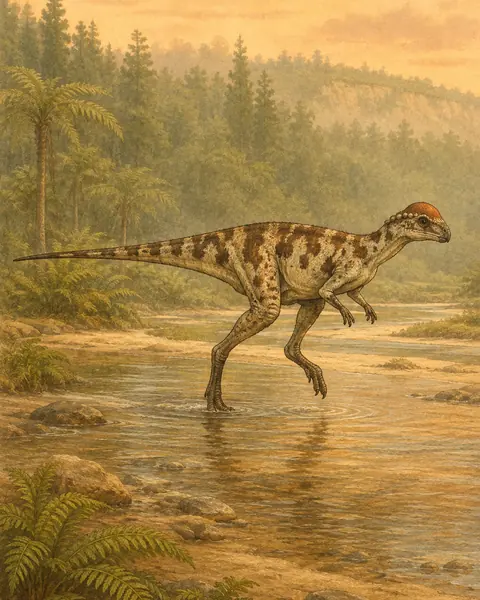
Foraminacephale means 'foramina head,' after the many small pits that covered the top of its dome.
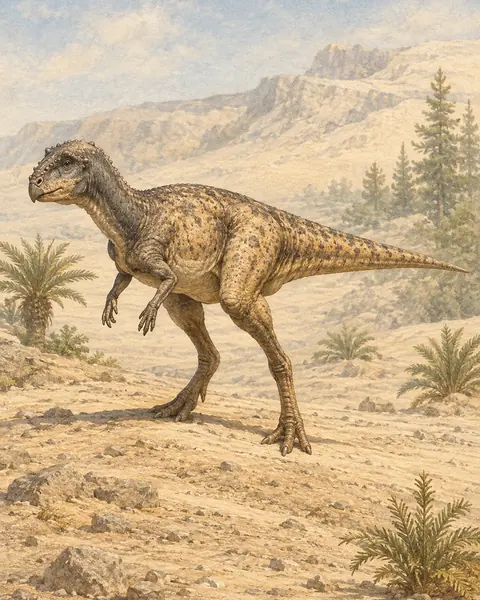
Goyocephale, 'decorated head,' had a flat skull roof edged at the back with small bony bumps, the bases of tiny horns.
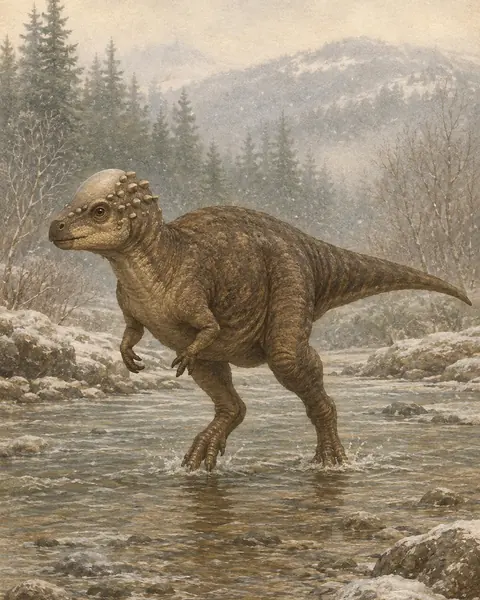
Alaskacephale is one of the few dome-headed dinosaurs from the Arctic.
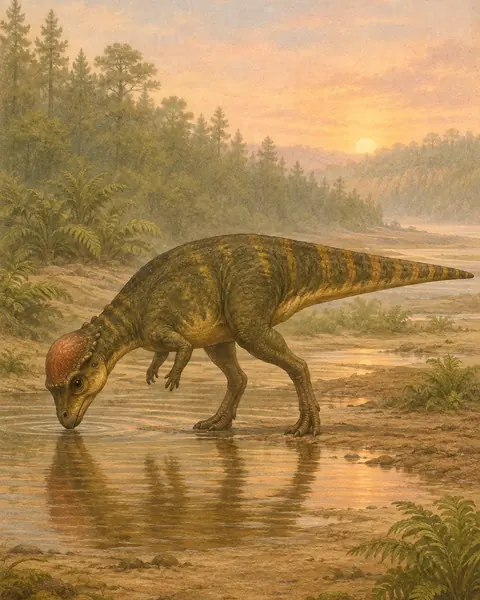
Acrotholus, 'highest dome,' is one of the oldest known true pachycephalosaurs, about 85 million years old.