 Fossil Deck
European Dinosaurs
Fossils of a continent. The dinosaurs first described from European soil.
Twelve cards in the Around the World expedition. In the app the deck is a one-time purchase, and its first card is a free find.
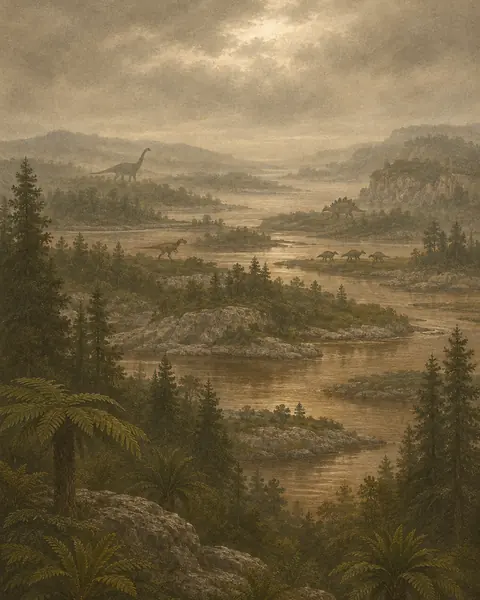
The 12 cards
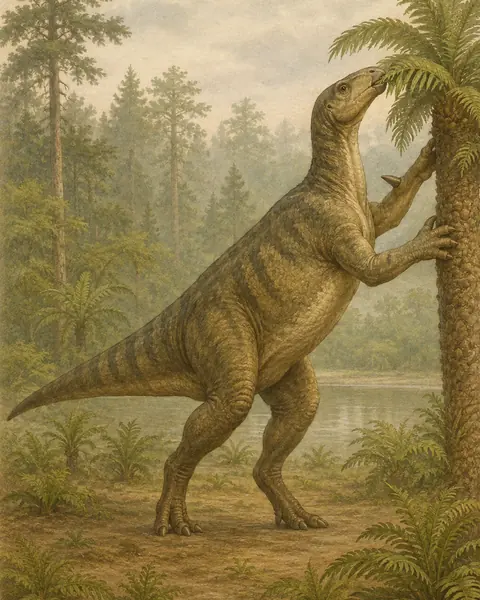
Iguanodon was a bulky plant-eater up to about 11 meters long and about 4.5 tonnes.
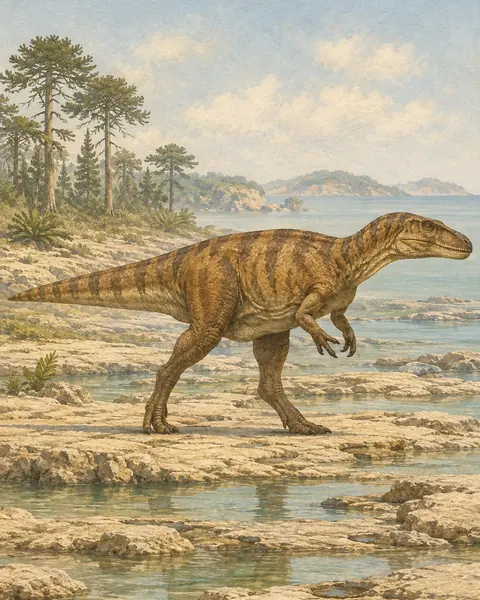
Megalosaurus was the first dinosaur ever given a scientific name, in 1824.
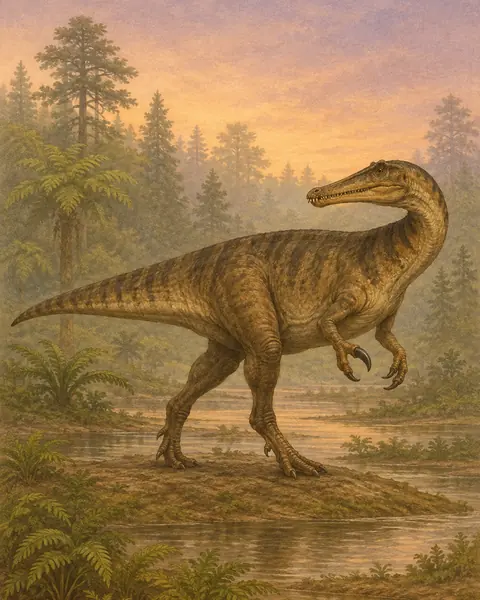
Baryonyx is named for its huge, curved thumb claw — about 30 centimetres long on the outer curve — set on a powerful, robust hand.
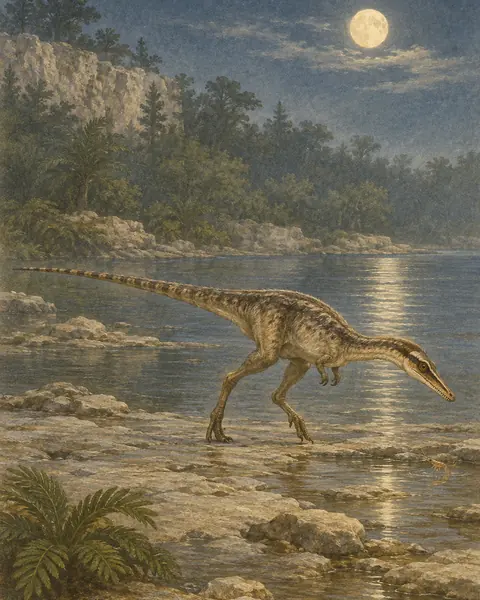
Compsognathus is one of the few dinosaurs whose last meal is known for certain: a small, quick lizard preserved in its belly.
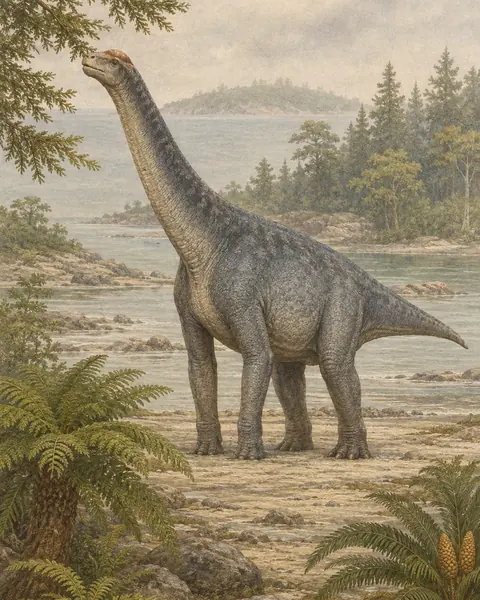
Europasaurus was a fully grown sauropod only about 6 meters long — a dwarf cousin of giants like Brachiosaurus that likely shrank to survive on a small Late Jurassic island.
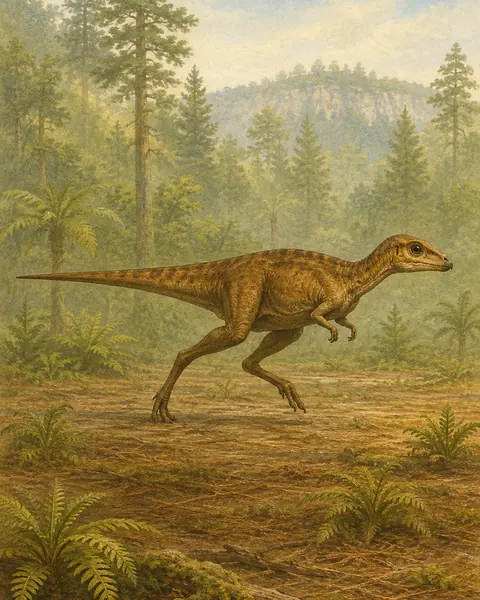
Hypsilophodon was a light, fast little plant-eater about as long as a child is tall, built for running on two legs with a stiff tail for balance.
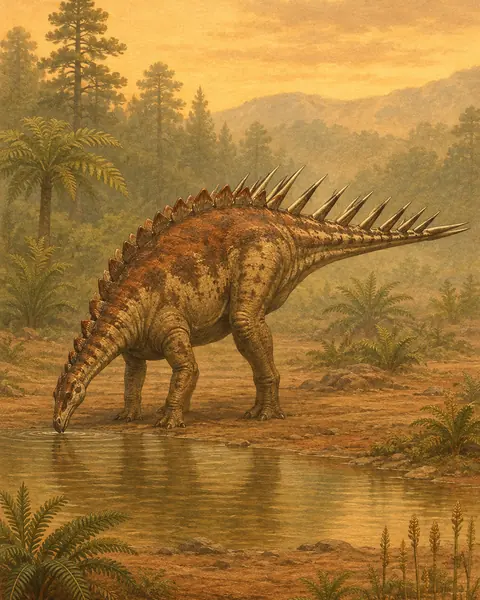
Dacentrurus, 'tail full of points,' is one of the largest stegosaurs, up to about 9 metres long.
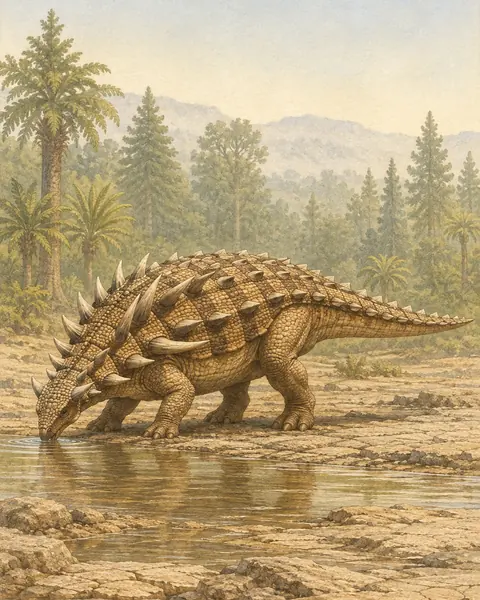
Polacanthus was a low, four-legged armored plant-eater that carried a large solid shield of fused bone over its hips, an unusual feature that gives it its distinctive look.
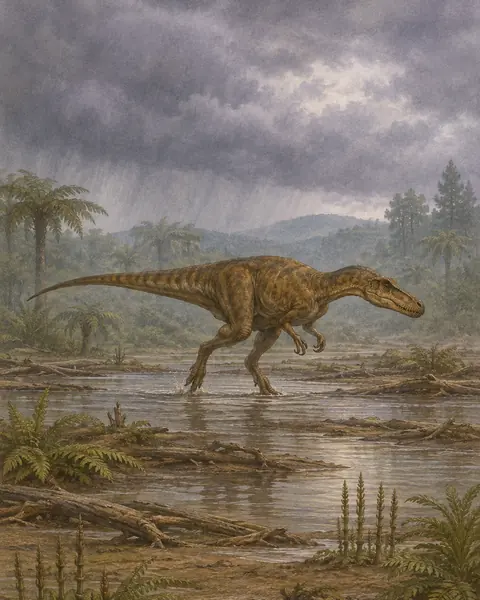
Neovenator, 'new hunter', was a lightly built predator of about 7 meters, a relative of the giant Giganotosaurus.
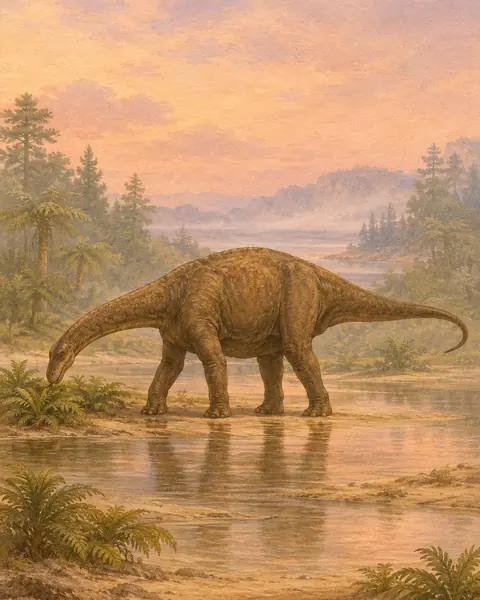
Cetiosaurus was an early long-necked plant-eater that reached an estimated 16 meters long, and it holds a special place in history as one of the first sauropod dinosaurs ever described.
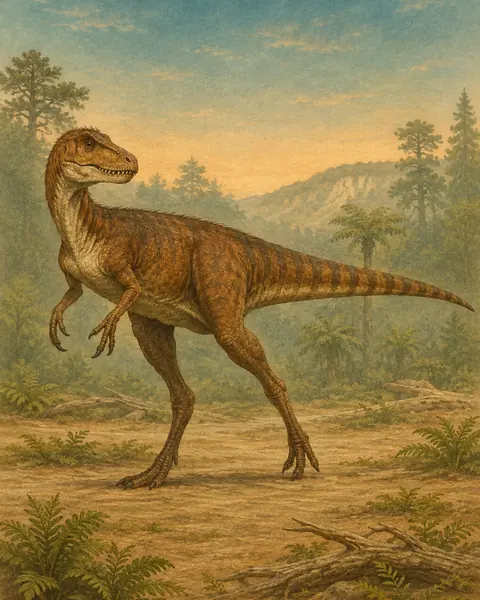
Eotyrannus, 'dawn tyrant', was a slim early cousin of Tyrannosaurus, with long arms and three-fingered grasping hands instead of tiny ones.
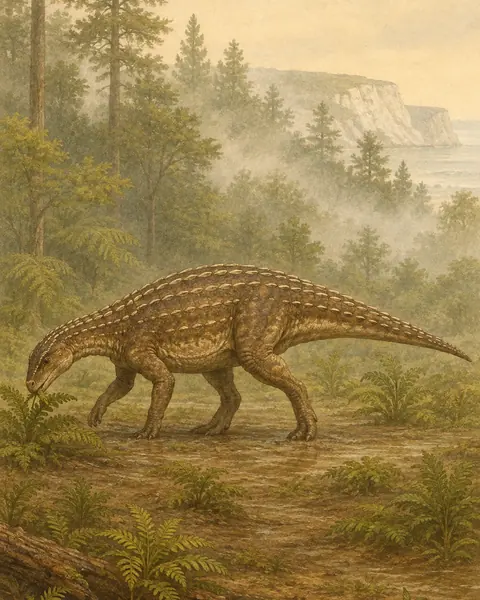
Scelidosaurus is the early armoured dinosaur that sits near the base of the stegosaur family tree, living about 190 million years ago on what is now England's Jurassic Coast.